The inspiration folder - standing on the shoulders of the open source giants
In the past, when I worked on the open source project Quantipy, a Python library to deal with survey data that we co-created with YouGov, the idea behind making it open source was that multiple coders from different companies could work on it and improve it.
It felt safe to open source it because, frankly, the codebase was so obtuse and complicated that it would be hard to copy or steal from it. It was only really open to folks who already knew their way around it.
This was true for almost all open source projects. No one was ever going to fork NumPy, pandas, the Linux kernel or any other big project. There were just too many moving parts, and it was much safer to submit a pull request to the official maintainers.
This has changed, and it is a huge unlock.
Standing on the shoulders of giants
When building my pet project, Raynard.ai, I drew inspiration from multiple different projects. OpenCode, Pi, OpenClaw, Picot, and Superset were among the projects that influenced Raynard.
Pre-AI, this kind of inspiration would mostly have been cerebral. I’d try to imitate a look I liked, and every now and then I’d read some source code to figure out things like how OpenClaw leverages Pi to self-improve.
The inspiration folder
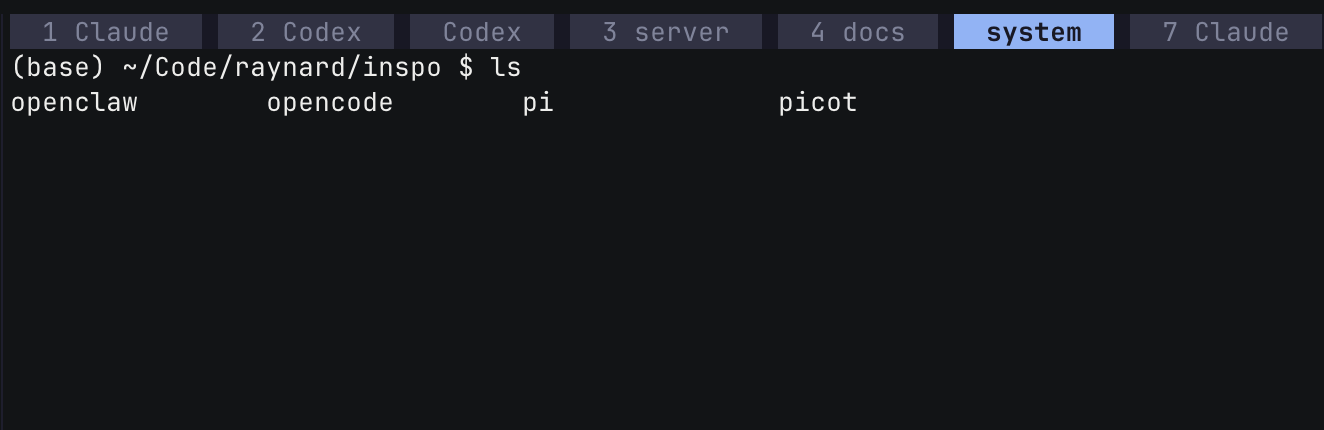
Now of course, AI both designs interfaces and reads code for me. Every project I work on has an inspiration folder, which is added to .gitignore, and has a clone of every project that solves either a design or technical problem I want solved in one of my projects.
We can build on other people’s work like never before. The promise of open source is actually being realised.
This is what I prompted for Raynard:
Make the input prompt look like they do in OpenCode, look in ../inspiration/opencode for details
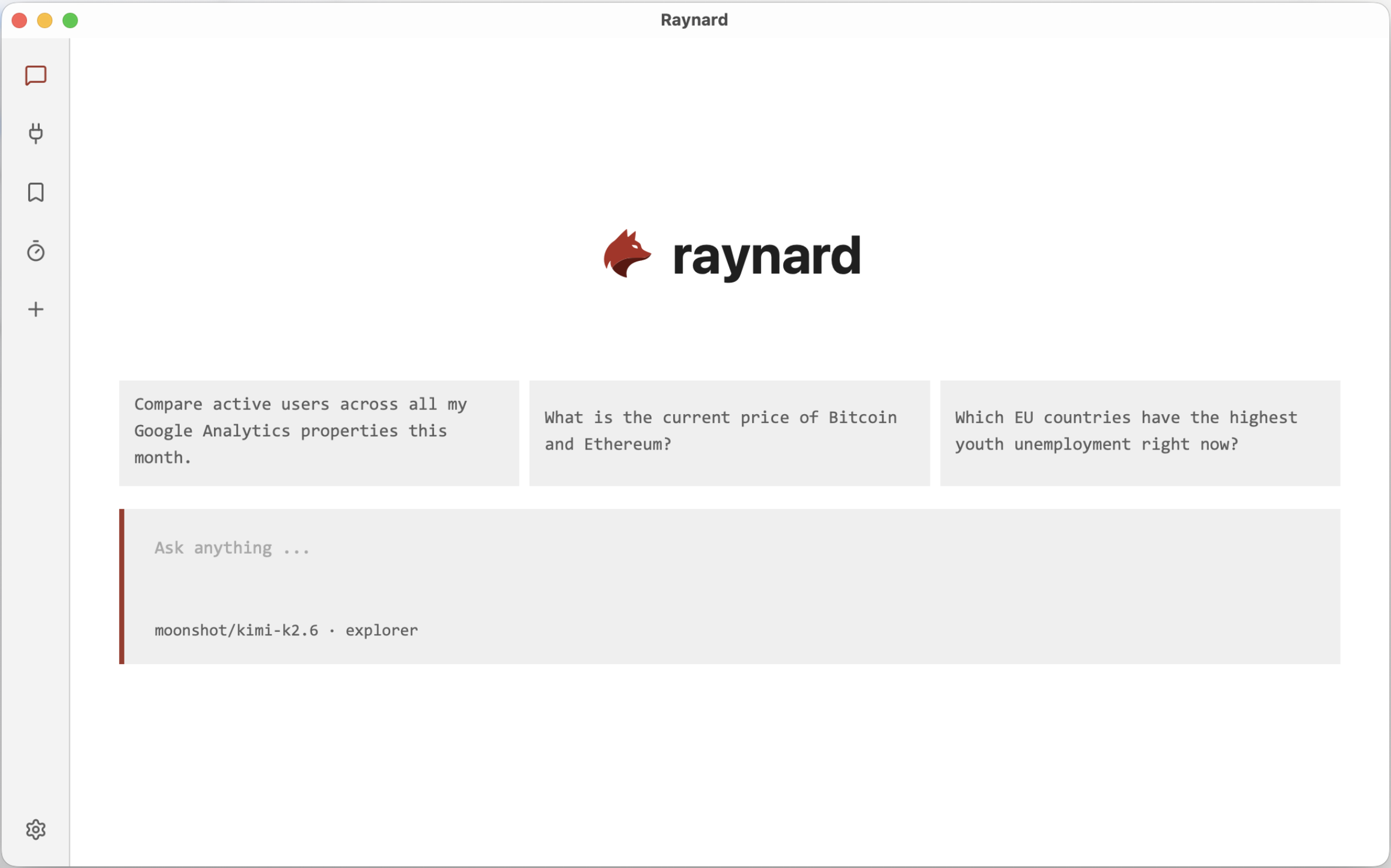
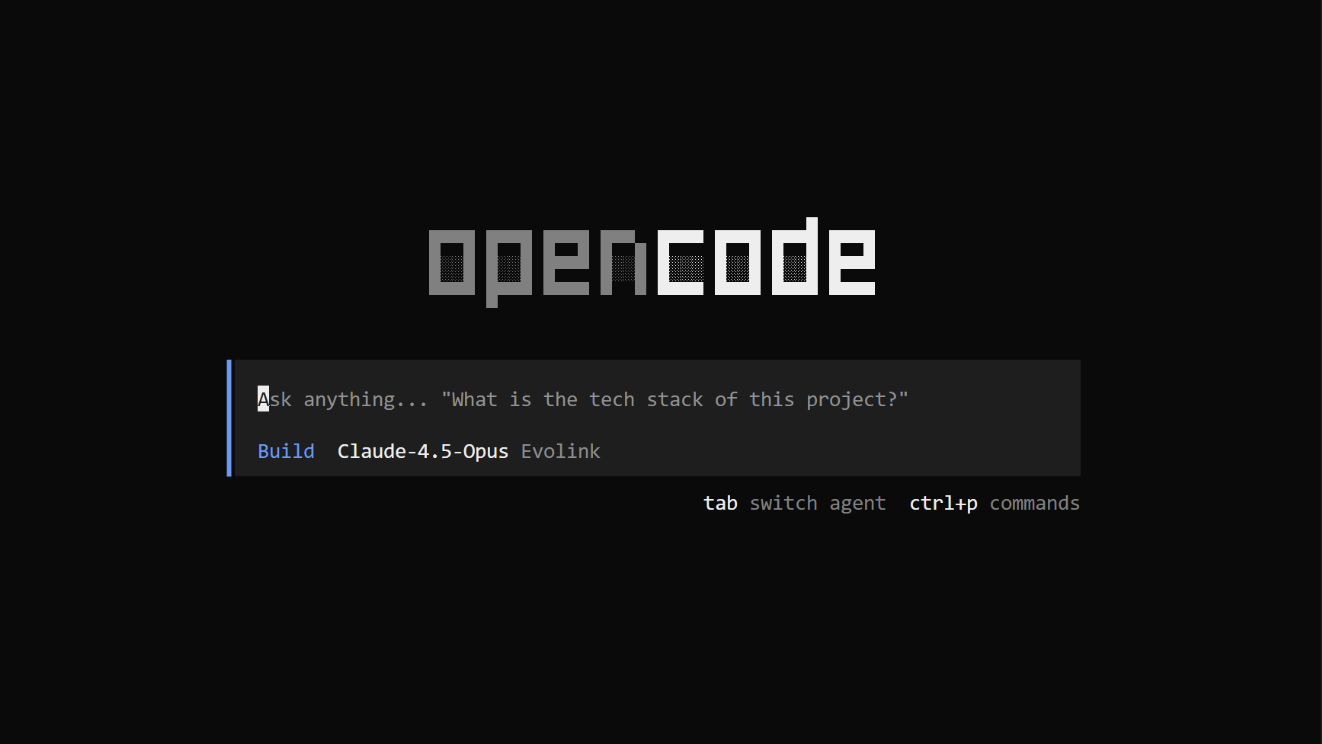
Admittedly, it was more like 10 prompts (make the border look like this, make the padding look like that), but the point is that open source can now truly be leveraged.
The ultimate shortcut
I could, of course, have prompted that look into existence eventually. And I could have figured out how to make my agent use Pi to self-improve and to run the agentic loop, but cloning open source projects into my inspiration folder saved me an enormous amount of time.
Raynard started as a pet project to write while I was on a holiday in Iceland and the Isle of Wight this summer. After only 2-3 weeks of morning coding, I had a fully functioning desktop app.
AI or not, this would not have happened at such speed without the inspiration folder allowing me to stand on the shoulders of giants.